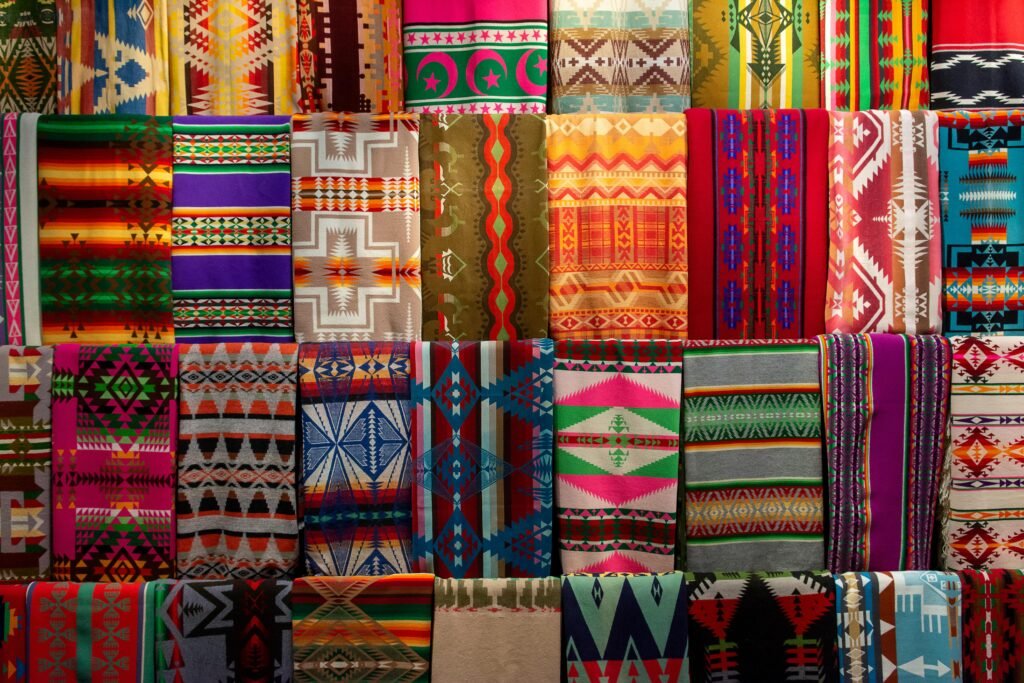

Walk through the souks of Fez or Marrakech, and you’ll find yourself inside a living mosaic of color and craftsmanship — vivid textiles, intricate pottery, and the scent of tanned leather hanging in the air. These markets aren’t just places to shop; they’re a sensory journey through Morocco’s history.
But as the world becomes more digital, the beauty of these creations faces a new challenge: how to be seen and appreciated through a screen.
For many of Morocco’s artisans and small businesses, the real struggle today isn’t making the product — it’s capturing it. How do you show the rich weave of a Beni Ourain rug or the soft shine of hand-dyed leather on a smartphone photo? In a global economy driven by visuals, presentation can make or break a sale.
The Visual Barrier
The artistry that gives Moroccan products their soul lies in the details. Yet, for a small cooperative in the Atlas Mountains, hiring a professional photographer or renting a studio simply isn’t an option. Many rely on quick smartphone shots taken in dimly lit workshops — authentic, yes, but far from market-ready.
On international platforms like Etsy or Amazon Handmade, image quality equals trust. A poorly lit photo can make even the most luxurious leather bag appear low-quality. This “visual trust gap” has quietly limited Morocco’s share in the thriving global handmade economy.
This is where artificial intelligence enters the frame — not as a fad, but as a real equalizer.
AI-powered image tools are giving artisans the power of a professional studio in their pockets.
From Souk Chaos to E‑Commerce Clarity
Anyone who’s visited a Moroccan market knows its charm lies in the chaos — stalls spilling over with goods, hanging lanterns, and curious travelers weaving through tight alleys. Beautiful in person, but a nightmare for product photography.
Modern AI background removal tools can now cut through that chaos. A ceramic tagine snapped on a cluttered worktable can be transformed into a clean, professional image against a neutral background in seconds. For artisans, that means new products can reach global audiences instantly — no logistics, no waiting, no studio rental.
Bringing Texture and Light to Life
Lighting is another invisible enemy of online selling. Many workshops don’t have professional lighting, leaving photos flat and details hidden. Generative AI can now “relight” these images, subtly enhancing texture, color, and pattern — without altering the authenticity of the craft.
The result? Buyers can actually feel the craftsmanship through the screen.
Better visuals aren’t just aesthetics; they directly impact trust and conversion rates.
Tourism’s AI Makeover
AI isn’t just transforming commerce; it’s reshaping Morocco’s other economic jewel — tourism.
In the age of Instagram and TikTok, tourists often judge destinations by how photogenic they appear. Yet sites like Chefchaouen or the Hassan II Mosque can be hard to capture perfectly due to crowds or clutter.
AI-powered “object removal” tools now help travelers edit out distractions — a stray passerby, a trash can, or scaffolding — creating postcard-worthy images. While purists might question authenticity, in reality, these polished photos act as organic advertisements, amplifying Morocco’s visual identity across social media.
The Rise of Digital Artisans
A digital generation is also transforming Morocco’s craft economy from within. Young people — fluent in technology but rooted in tradition — are becoming what some call digital artisans.
They may not weave rugs or carve wood, but they know how to photograph, edit, and market these items globally.
By using AI to enhance visuals and manage online storefronts, they’re helping family cooperatives evolve into global direct-to-consumer brands. In their hands, technology doesn’t replace tradition — it amplifies its story.
The future of Morocco’s artisanal economy lies at this intersection of heritage and innovation. As AI tools become more accessible and mobile-friendly, barriers to global exposure are fading. The “Digital Souq” is no longer just a metaphor; it’s a movement — one that’s inviting the world to see Morocco’s artistry as it truly is: authentic, intricate, and alive.